Love Christmas Gnome: A Designer’s Stitch Test
First Impressions and Holiday Character
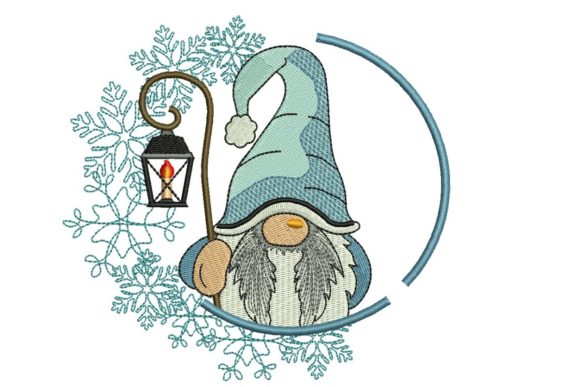
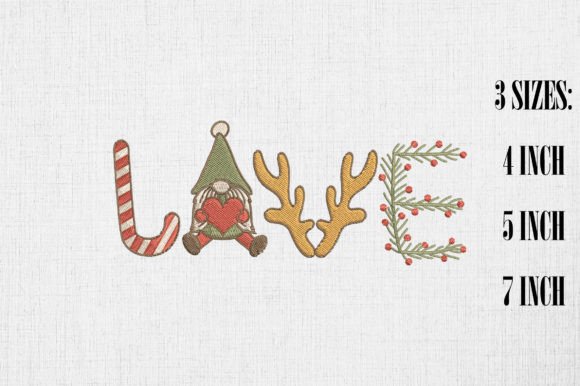
When evaluating a new machine embroidery design for the holiday season, I look for more than just festive colors; I look for personality and stitch logic. The Love Christmas Gnome immediately stands out because it balances traditional holiday warmth with a modern, whimsical aesthetic. As an experienced designer, my first impression is that this motif avoids the cluttered look that often plagues seasonal graphics. Instead, it offers a clean silhouette that promises to digitize well without excessive jump stitches or unnecessary density.
The mood this design creates is undeniably cozy yet playful. It feels appropriate for a wide demographic, from young children to adults who appreciate cottage-core aesthetics. For a craft business or Etsy seller, this versatility is crucial. You aren't pigeonholed into a single niche. The gnome’s expression and the integration of the "Love" theme suggest it will work beautifully as a centerpiece for personalized gifts rather than just generic holiday decor. Visually, the layout appears balanced, which is essential when you are centering designs on garments or home textiles where symmetry dictates professional quality.
Real-World Application: Stitching a Custom Sweatshirt
To truly judge the viability of Love Christmas Gnome, I mentally walked through a recent client project: a custom embroidered sweatshirt intended as a boutique holiday release. Sweatshirts are a staple for custom apparel, but they present specific challenges due to the fleece backing and stretchy knit face. This is where the design’s construction matters most.
In this scenario, I envisioned placing the gnome on the left chest or centered on the front yoke. For a sweatshirt embroidery project, the design needs enough visual weight to stand out against the textured fabric but not so much density that it creates a bulletproof patch effect. If the Love Christmas Gnome utilizes smart fill stitch patterns rather than solid blocks of thread, it will maintain the garment's drape. This is a critical selling point for customers who want festive wear that remains comfortable.
I also considered how this would translate to a tote bag design. Canvas totes are rigid compared to knits, allowing for crisper details. Here, the outline definition of the gnome would shine. If the design includes satin stitch borders, they would pop brilliantly on canvas, creating a high-perceived value item for craft fairs. However, if I were adapting this for a baby onesie, I would need to verify the stitch count. Baby embroidery requires softness; any dense areas in the gnome’s hat or beard would need to be tested to ensure they don’t irritate sensitive skin or pucker the lightweight cotton.
Navigating Fabric Textures and Technical Constraints
While Love Christmas Gnome is versatile, no embroidery file is immune to physics. Understanding where to use caution is what separates hobbyists from professionals. Based on typical gnome design structures, here is where I advise careful testing:
- Textured Fabrics: On terry cloth towels or minky blankets, fine details like facial features or small lettering can get lost. You may need to add a topping stabilizer or slightly increase the column width of running stitch outlines to ensure clarity.
- Stretchy Knits: When stitching on ribbed cuffs or thin jersey, proper stabilization is non-negotiable. Without adequate cut-away stabilizer, the gnome could distort during washing. Always test on a scrap of the exact garment material first.
- Dark Fabrics: High contrast is key. If the gnome features white elements on a dark green sweatshirt, ensure the underlay is sufficient to prevent the fabric color from bleeding through the threads. Conversely, on white fabric, check that darker thread colors don't cast shadows due to excessive density.
- Curved Surfaces: If you plan to use this as a cap design, verify the aspect ratio. Gnomes are often tall; caps have limited vertical space. You might need a resized version specifically for headwear to avoid distorting the proportions.
For small hoop sizes, resist the urge to shrink the design below its recommended minimum. Tiny lettering or intricate beard textures in the Love Christmas Gnome could turn into a thread nest if reduced too aggressively. It is better to choose a different placement or a simplified version than to risk a ruined finished product.
Commercial Value and Customer Perception
For those running a handmade product line, the visual appeal of your embroidery directly correlates to customer trust. A design that registers cleanly, with smooth satin columns and even fills, signals professionalism. Love Christmas Gnome has the potential to elevate your brand consistency because of its distinct character. When customers see this design on a printable mockup or a physical sample, they should immediately recognize it as part of your curated collection.
This design also lends itself well to bundling. Imagine pairing the gnome with a name in a complementary font for a holiday embroidery set. This increases the average order value for small shop products. Furthermore, because gnomes have enduring popularity beyond just December, this asset can remain relevant in your shop through late winter, unlike Santa-specific designs that expire on the 26th.
However, always respect intellectual property. Before listing any item featuring this digital embroidery file, confirm the licensing terms. Ensure you have the right to sell finished items or if the license restricts usage to personal projects. Clear communication about this in your shop policies builds buyer confidence and protects your business.
Designer Notes for Success
Before you commit Love Christmas Gnome to a final project, run through this practical checklist to ensure optimal results:
- Verify File Compatibility: Although the description mentions multiple formats, always confirm your specific machine reads the provided file type correctly before purchasing or stitching.
- Test Stitch Density: Run a sew-out on scrap fabric similar to your final project. Check the back of the embroidery; if it feels stiff or cardboard-like, consider using a lighter weight thread or adjusting density settings in your software.
- Thread Color Contrast: View the design in black and white on your screen. If the values are too similar, the design will look flat in real life. Adjust thread colors to ensure distinct separation between the gnome’s clothing, face, and background elements.
- Stabilizer Selection: Match your stabilizer to the fabric, not just the design. A tear-away might suffice for canvas, but a fusible cut-away is safer for stretchy apparel to prevent tunneling around the applique design or fill areas.
- Mockup Testing: Create digital previews using both light and dark backgrounds. This helps you decide which colorways to offer as standard options versus custom requests.
- Wash Test: If selling commercial embroidery items like tea towels or kids' clothes, wash and dry your test sample. Inspect for puckering, thread shrinkage, or color bleeding before listing the item for sale.
Ultimately, Love Christmas Gnome is a promising addition to any embroiderer's library. Its charm lies in its adaptability, but its success depends entirely on your technical execution. By treating this embroidery project with the same rigor as a complex logo or monogram, you transform a cute digital file into a tangible, high-quality product that customers will cherish. Whether you are creating a keepsake embroidered patch, a festive pillow, or a best-selling sweatshirt, let practical testing guide your creative decisions.