Christmas Cookie: A Merchandise Design Review
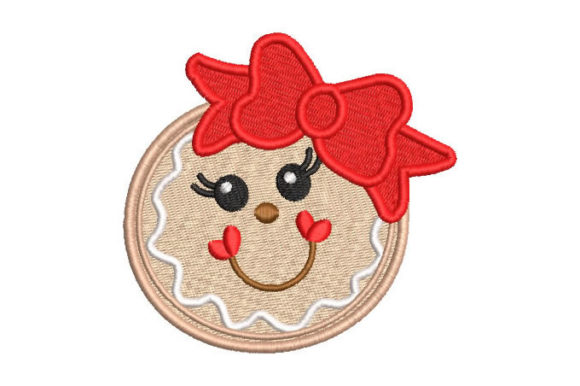
As an embroidery designer who frequently consults with small businesses on branded merchandise, I approach every new machine embroidery design with a critical eye toward production viability and brand alignment. When evaluating the "Christmas Cookie" design for commercial application, my first impression is one of approachable warmth and nostalgic charm. The description promises a friendly and fun accent, which translates visually into a motif that feels handmade, rustic, and inviting rather than overly corporate or sterile. For businesses in the culinary, creative, or retail sectors, this aesthetic is a strategic asset. It signals to customers that your brand values tradition, comfort, and personal touch. However, moving a design from a digital preview to a finished product requires careful technical assessment to ensure it performs well across various merchandise types.
Evaluating Visual Personality for Brand Identity
The visual personality of Christmas Cookie leans heavily into the "cozy commerce" niche. In my experience working with bakeries, florists, and Etsy sellers, this specific type of imagery bridges the gap between seasonal decoration and enduring brand identity. Unlike generic holiday clip art, a well-digitized cookie design suggests craftsmanship. When used as a chest logo on staff uniforms or a centerpiece on apron embroidery, it softens the professional uniformity required in service industries while maintaining a polished look.
For a boutique or creative studio, this design functions as an emotional hook. Customers associate the imagery with positive sensory experiences—sweetness, home, and celebration. By integrating this into your small business merch, you are not just selling a product; you are selling an atmosphere. However, it is vital to ensure the digitizing style matches your existing design assets. If your current branding relies on sharp, modern geometric lines, the potentially softer, satin-stitch edges of a cookie design might create visual dissonance. Always compare the new embroidery file beside your current logo to confirm stylistic consistency before committing to production.
Real-World Applications for Small Business Merch
In a real-case scenario, imagine a local café launching a holiday blend coffee. Using Christmas Cookie as a secondary mark on their merchandise creates immediate thematic relevance without overshadowing the primary business logo. Here is how this design performs across different commercial applications:
- Aprons and Staff Uniforms: This is the ideal use case. The design’s inherent association with baking and kitchens makes it contextually perfect for aprons. It adds a festive touch to workwear that feels appropriate rather than costumey.
- Tote Bag Design: Canvas totes provide a stable, flat surface that accommodates the likely fill stitches of a cookie motif. This application works exceptionally well for customer gifts or limited-edition holiday shoppers' bags.
- Kitchen Textiles: As noted in the product description, this design shines on kitchen towels and table cloths. For businesses selling home goods, this is a high-value application where the design’s decorative nature aligns perfectly with the product’s function.
- Packaging Accents: Embroidering this design onto fabric gift tags or reusable wrapping squares elevates the unboxing experience for handmade product sellers, reinforcing the premium nature of the contents.
Technical Considerations for Commercial Embroidery
While the aesthetic is charming, the technical execution determines whether Christmas Cookie becomes a profitable asset or a production headache. As a designer, I must emphasize that "friendly and fun" does not always mean "simple to stitch." Cookie designs often involve complex shading, multiple thread colors, and varying stitch density to simulate texture like icing or crumbs.
When planning for commercial embroidery, you must verify the hoop size requirements against your equipment capabilities. A design that looks proportional on a towel may be too large for a standard cap frame or too dense for lightweight performance wear. Furthermore, if you intend to use this for cap embroidery, you must test the design on a curved surface first. Flat-digitized designs often distort on caps, causing registration issues where the outline fails to meet the fill. You may need a specialized cap version of the digital embroidery file to account for the curvature and push-pull distortion.
Fabric texture also plays a massive role in the final output. The product description mentions table cloths and towels, which are generally forgiving substrates. However, if you plan to apply this to textured linen, dark denim uniforms, or knit sweaters, the detail may get lost. High-pile fabrics can swallow fine details, making the cookie look muddy. In these cases, using a heavier weight stabilizer or a topping is non-negotiable to maintain definition. Always test on the actual garment fabric, not just a scrap of similar weight, as weave tightness affects stitch clarity.
Critical Pre-Production Checklist
Before running a full production batch of custom apparel or patches featuring Christmas Cookie, adhere to this professional testing protocol:
- Verify Licensing: Confirm that the embroidery file includes commercial licensing rights. Personal use licenses do not cover selling merchandise or branding business uniforms.
- Black and White Test: Print the design in black and white before stitching. This reveals whether the design relies solely on color contrast or has strong structural value. If it disappears in grayscale, it may lack the definition needed for tone-on-tone embroidery on uniforms.
- Thread Color Contrast: Review the specified thread colors against your chosen garment colors. A light beige cookie on a cream apron will vanish. Ensure there is sufficient contrast for visibility at a distance.
- Stabilizer Selection: Do not guess. Test cutaway versus tear-away stabilizers based on the fabric's stretch and the design's density. Improper stabilization leads to puckering, which devalues the finished product.
- Create a Printable Mockup: Before investing in thread and time, generate a printable mockup or digital visualization for client or stakeholder approval. This manages expectations regarding size and placement.
- Wash Testing: If the item will be laundered frequently (like aprons or towels), wash the test sample three times. Check for thread shrinkage, color bleeding, or stabilizer residue. Durability is key to maintaining professional standards.
Strategic Value and Customer Engagement
Ultimately, the decision to use Christmas Cookie should be driven by its ability to enhance customer trust and engagement. In the saturated market of holiday merchandise, authenticity wins. A professionally executed embroidery design communicates attention to detail that screen printing or heat transfer often cannot match. When a customer receives a tote bag or sees a barista wearing an apron featuring this design, they perceive a level of care that reflects back on your core products.
However, restraint is necessary. While the design is versatile, avoid over-saturating your product line. Use it as a strategic accent—a sleeve detail, a pocket tag, or a limited-run feature—rather than replacing your primary logo. This preserves the exclusivity and specialness of the seasonal offering. By treating this machine embroidery design as a serious component of your business strategy rather than mere decoration, you transform a simple holiday motif into a powerful tool for building lasting brand recognition and seasonal revenue.