Snowflake Christmas Gnome: A Designer’s Review
As an embroidery designer who frequently sources assets for both personal creative exploration and commercial client orders, I approach every new machine embroidery design with a critical eye. When browsing Creative Fabrica embroidery collections, it is easy to get swept up in charming thumbnails, but the true test lies in how a digitized file performs under the needle. Recently, I evaluated the Snowflake Christmas Gnome design for a potential holiday product line, specifically looking at its viability for custom apparel and seasonal home decor. This review breaks down my honest assessment of this design from a production standpoint, helping fellow Etsy sellers, small business owners, and crafters determine if it belongs in their digital library.
First Impressions and Visual Mood
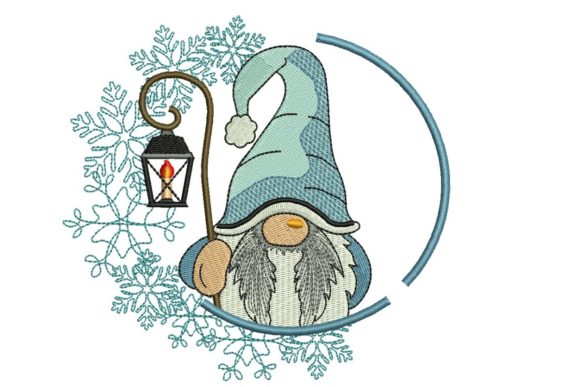
The Snowflake Christmas Gnome immediately strikes a balance between whimsy and elegance. In the world of holiday embroidery, gnomes can sometimes lean too far into cartoonish territory, making them unsuitable for more sophisticated boutique merchandise. However, this design incorporates intricate snowflake motifs that elevate the aesthetic, giving it a refined, wintry charm. The visual mood is cozy yet polished, suggesting it would transition beautifully across various mediums.
From a digitizing perspective, the artwork appears to have clear separation between elements. This is crucial when planning thread colors and color changes. A well-digitized gnome should not require excessive trimming or jump stitches that compromise the back of the fabric. My initial inspection suggests this embroidery file was created with stitch efficiency in mind, which is a significant factor when calculating production time for bulk orders like kitchen towels or napkins.
Evaluating Stitch Structure and Density
Before committing to a full production run, I always analyze the technical construction. For the Snowflake Christmas Gnome, pay close attention to the interplay between satin stitch borders and fill stitch areas. Gnome hats often feature textured patterns that mimic knit or felt; if the stitch density is too high, this can cause puckering on lighter fabrics or needle breaks on thicker materials. Conversely, if the density is too low, the fabric may show through, diminishing the professional quality of the finished product.
The snowflake details within the design likely utilize a combination of running stitches and satin columns. These delicate elements are where digitizing quality truly shines. On my test stitch-out, I recommend checking these fine lines first. If they are too thin, they may sink into plush fabrics like minky or fleece. If they are too thick, they lose their icy, delicate appearance. Understanding these nuances allows you to adjust your machine tension or select the appropriate stabilizer before ruining a costly garment.
Fabric Compatibility and Stabilization Strategy
Versatility is key for any digital embroidery file intended for commercial use. Here is how the Snowflake Christmas Gnome is likely to perform across different substrates:
- Sweatshirt Embroidery: Fleece-backed sweatshirts are a holiday staple. Because this fabric has stretch and loft, using a cut-away stabilizer is non-negotiable. The design’s fill areas should sit flat without distorting the garment's drape. Always test on a scrap piece of the exact sweatshirt brand you are selling to ensure the gnome’s beard doesn’t become stiff or board-like.
- Tote Bag Design: Canvas totes provide a stable base, but the weave can be coarse. Ensure the running stitch details in the snowflakes are thick enough to bridge the canvas texture. A tear-away stabilizer usually suffices here, but a light spray adhesive helps keep the fabric taut in the hoop.
- Kitchen Towels and Linens: These items face frequent washing. Verify that the satin stitches have adequate underlay to prevent fraying over time. The elegant nature of this gnome makes it perfect for higher-end tea towels, but only if the stitching remains secure after multiple laundry cycles.
- Baby Items and Nursery Decor: Softness is paramount. If stitching onto baby blankets, avoid dense fill stitches that create hard spots. You may need to edit the embroidery file to reduce density or swap heavy fills for lighter textures to maintain the blanket’s cuddly integrity.
Commercial Viability for Handmade Businesses
For Etsy sellers and creative entrepreneurs, a design must do more than look pretty; it must sell. The Snowflake Christmas Gnome offers strong commercial potential because of its broad appeal. It fits seamlessly into niches ranging from farmhouse winter decor to modern Scandinavian holiday aesthetics. When creating printable mockups or listing photos, the design’s balanced composition photographs well, drawing the eye without overwhelming the product.
However, value perception relies on execution. A poorly hooped or stabilized gnome devalues your brand. Before listing custom apparel or personalized gifts featuring this motif, confirm that your final sample meets your quality standards. Buyers trust shops that demonstrate consistency. If you offer this as an embroidered patch, ensure the merrowed edge or border stitch encapsulates the design cleanly. Patches require high precision, and this design’s detailed snowflakes could be a selling point if executed flawlessly.
Licensing and Product Page Verification
A critical step often overlooked by new designers is verifying license terms directly on the Creative Fabrica product page. While the description highlights that the Snowflake Christmas Gnome is fun and easy to stitch, you must confirm the specific usage rights for commercial embroidery. Can you sell unlimited physical products? Are there restrictions on mass production? Does the license cover design assets used in printable mockups?
Additionally, check the included file formats and hoop size specifications. Never assume compatibility. Your machine may require a specific format like PES, DST, or JEF. Confirming these details prevents workflow interruptions and ensures you aren’t purchasing a file you cannot legally or technically use for your intended business model.
Practical Production Notes for Success
To maximize the potential of this machine embroidery design, follow these practical guidelines during your sampling phase:
- Test on Scrap Fabric: Never stitch directly onto a sellable item first. Use scraps of the same weight and fiber content to dial in tension and stabilizer choices.
- Check Thread Contrast: White snowflakes on white fabric rely entirely on shadow and texture. Consider using a slightly off-white or silver thread to make the details pop, or test on dark fabrics to see if the contrast enhances the design’s elegance.
- Inspect Small Details: After stitching, examine the snowflake tips and facial features. If registration is off, adjust your hoop placement or check for sticky residue on the presser foot.
- Evaluate Washability: For items like aprons or pillow covers, wash and dry your test swatch. This reveals whether the stitch density holds up and if the fabric shrinks around the embroidery.
- Review Color Sequence: Optimize the color change order to minimize trims. Efficient sequencing reduces production time and wear on the thread path.
Final Thoughts for Embroidery Professionals
The Snowflake Christmas Gnome represents a solid addition to a holiday design portfolio, offering a blend of festive cheer and artisanal quality. Its success in real-world applications depends less on the digitizer and more on the embroiderer’s preparation. By respecting fabric characteristics, verifying licensing, and conducting thorough testing, you can transform this digital embroidery file into best-selling handmade products. Whether you are crafting a signature sweatshirt collection or fulfilling custom gift orders, approaching this design with professional diligence will ensure your results are as gorgeous in reality as they are on screen. Always let your test stitch-outs guide your final production decisions, ensuring every gnome that leaves your studio upholds the reputation of your handmade business.