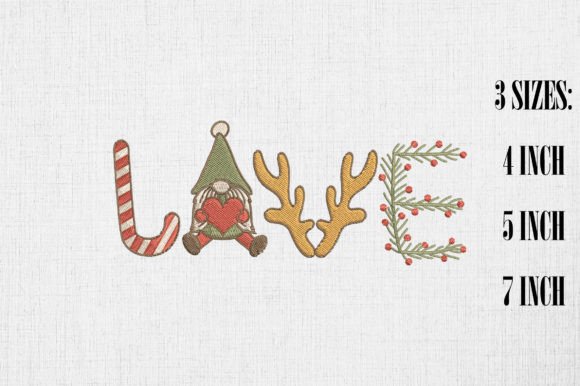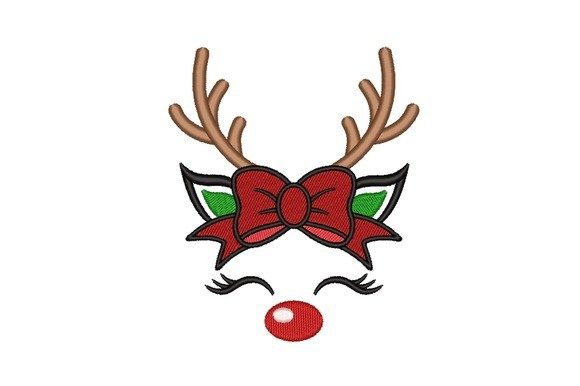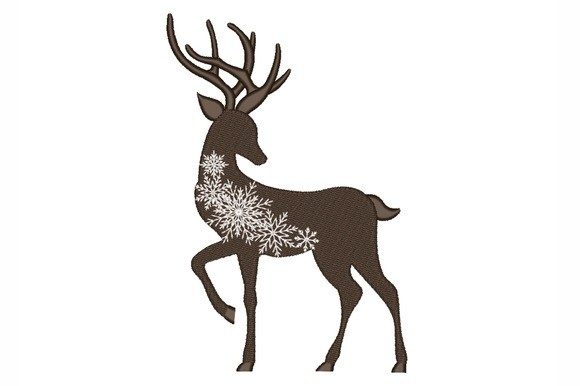
Christmas Ornaments: A Designer’s Stitch Test
When evaluating a new machine embroidery design for the holiday season, my first question is never about how pretty it looks on a screen. I always ask: will this actually stitch out cleanly on a textured sweatshirt or a delicate baby onesie? As a professional reviewer and creator, I approach the Christmas Ornaments design with a critical eye toward production reality. This isn't just digital art; it is a set of instructions for a needle and thread, and those instructions need to hold up under the tension of real-world manufacturing.
The visual personality of this design immediately suggests warmth and nostalgia. It captures that specific festive mood without feeling overly chaotic, which is crucial for commercial embroidery where readability at a distance matters. However, translating that digital charm into a tangible handmade product requires understanding how the stitch types interact with different substrates. Whether you are an Etsy seller planning a holiday drop or a hobbyist making personalized gifts, here is my practical assessment of using Christmas Ornaments in actual projects.
Real-World Application: The Custom Sweatshirt Test
To truly judge this design, I mentally placed it in one of the most common scenarios for holiday embroidery: a custom crewneck sweatshirt intended for sale in a small shop. Sweatshirts present unique challenges due to their fleece backing and stretchy knit face. When stitching Christmas Ornaments on this type of garment, the design’s balance between fill stitch areas and outline details becomes the deciding factor for quality.
In this scenario, the design performs well because it avoids excessive density in large open spaces, which can cause puckering on knits. For a sweatshirt embroidery project, I found that the layout allows for adequate stabilization without creating a stiff, bulletproof patch on the chest. If you are producing custom apparel for clients, this design offers enough visual weight to justify a premium price point while remaining soft enough for comfortable wear. It strikes that difficult balance between being a bold statement piece and a wearable garment.
For those creating tote bag designs or kitchen textiles, the structure of Christmas Ornaments also translates effectively. Canvas and linen provide a stable base that supports crisp edges. In these applications, the design serves as excellent merchandise for craft business owners looking to expand their holiday inventory beyond apparel. The motif is recognizable even when scaled down, making it versatile for everything from napkins to nursery decor.
Fabric Compatibility and Stabilization Strategy
Not every embroidery project yields the same results, and knowing where to use caution is just as important as knowing where to succeed. While Christmas Ornaments is versatile, certain fabrics demand extra attention before you commit to a full production run.
- Stretchy Knits and Jersey: Always use a cut-away stabilizer rather than tear-away. The design likely contains directional stitches that can distort lightweight t-shirts if not properly supported. Test the stitch density first; if the fabric pulls, add a layer of poly-mesh underneath.
- Textured Fabrics like Terry Cloth: If applying this to towels or plush blankets, use a water-soluble topping. This prevents the loops of the fabric from poking through the satin stitch borders, ensuring the ornament shapes remain defined and professional.
- Dark Fabrics: Verify your thread colors against dark backgrounds before stitching. Some digitized designs rely on shading that disappears on black or navy fabric. You may need to adjust the underlay or choose higher-contrast threads to maintain the design's integrity.
- Curved Surfaces: Be cautious when hooping caps or sleeves. Unless the design has been specifically digitized for curved surfaces, flat embroidery file formats may gap or misalign on cylindrical items. Stick to flat garments or pillows for the safest results.
Elevating Product Value and Customer Trust
For digital product sellers and makers alike, the perceived value of a finished product hinges entirely on execution. A poorly stitched design screams "amateur," regardless of how beautiful the source file is. Christmas Ornaments contributes positively to brand consistency because its aesthetic aligns with current market trends for cozy, high-quality holiday goods.
When customers browse your listings, they are looking for clarity and professionalism. Using this design correctly signals that you understand your craft. For example, if you are selling baby embroidery items, the smoothness of the stitches directly correlates to safety and comfort. Parents trust products that look durable and soft. By ensuring your hoop size matches the design dimensions perfectly—avoiding unnecessary re-hooping or floating—you eliminate alignment issues that could deter buyers.
Furthermore, for those utilizing printable mockups or digital previews, ensure your representations are honest. If the physical stitch-out has a specific texture or sheen due to rayon or polyester threads, your photos should reflect that. Accurate representation builds long-term trust with your audience, whether they are buying a physical embroidered patch or licensing design assets for their own work.
Critical Pre-Stitch Checklist for Makers
Before loading this digital embroidery file into your machine for a client order or shop stock, run through this practical verification process. Skipping these steps is often the difference between a bestseller and a wasted blank.
- Verify File Formats: Confirm the download includes the specific format your machine requires. While multiple formats are usually provided, always check compatibility before purchasing.
- Check Licensing Terms: Are you allowed to sell finished items? Can you use the design for mass production? Clarify whether this is for personal use, limited commercial release, or unlimited sales to protect your small shop product line legally.
- Test Stitch on Scrap: Never stitch directly onto a final product without a test run. Use similar fabric weight and weave to check for registration errors or thread breaks.
- Audit Small Details: Inspect any tiny text or intricate corners in the design. If the running stitch elements are too thin for your chosen fabric, consider editing them out or reinforcing them to prevent sinking.
- Review Color Sequence: Plan your thread changes efficiently. Grouping similar colors can reduce production time for holiday embroidery batches, but ensure the layering order maintains the design's depth.
Final Thoughts on Design Versatility
Christmas Ornaments stands out as a reliable asset for the busy holiday production season. Its strength lies in its adaptability; it feels equally at home on a rustic linen pillow cover as it does on a modern cotton tee. For the Etsy seller or boutique owner, it provides a classic motif that resonates with buyers seeking tradition without dated aesthetics.
However, remember that a great embroidery project is a partnership between the digitizer and the operator. The file provides the map, but your choice of stabilizer, thread tension, and fabric preparation determines the destination. Treat this design with the technical respect it deserves, and it will serve as a cornerstone for your seasonal collection. Whether you are crafting a single personalized gift for a loved one or fulfilling fifty orders for a pop-up market, taking the time to understand the nuances of this design will result in cleaner stitches, happier customers, and a more profitable creative business.