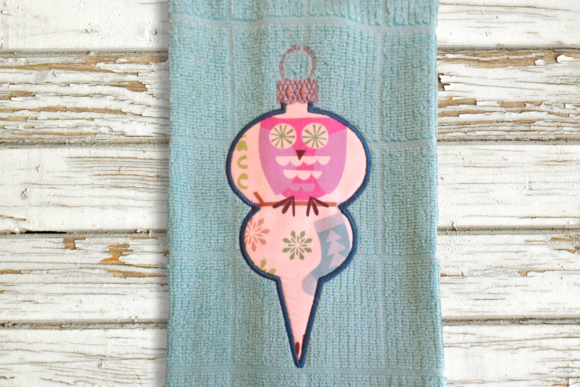
Antique Christmas Ornament: A Designer's Review
As an embroidery designer preparing for the upcoming holiday craft fair season, my selection process for booth inventory is rigorous. Every machine embroidery design must earn its place on the table by balancing aesthetic appeal with production efficiency. When evaluating the Antique Christmas Ornament design, I am looking at more than just a festive motif; I am assessing a potential bestseller for handmade market products. This superbly designed Christmas embroidery resembles an antique-style glass ornament, promising a nostalgic elegance that resonates deeply with shoppers seeking traditional yet unique holiday decor. From a business perspective, this design offers a versatile solution for creators who need items that look premium but remain fun and easy to stitch during high-volume production runs.
First Impressions and Market Positioning
The immediate visual impact of the Antique Christmas Ornament is one of refined nostalgia. It does not scream "kitsch" or overly modern minimalism; instead, it occupies a sweet spot of vintage charm that appeals to a broad demographic. For an Etsy seller or boutique maker, this aesthetic is gold. It suggests heirloom quality without requiring complex, time-consuming hand-stitching techniques. The description notes it adds a "unique accent," which tells me this design functions beautifully as both a standalone focal point and a complementary element in larger compositions.
In a crowded craft fair booth, customers are drawn to textures and themes that evoke memory. This design captures the light-reflecting qualities of antique glass through thread, creating a tactile experience that digital images cannot replicate. For commercial embroidery businesses, this translates to perceived value. Shoppers are willing to pay a premium for items that feel curated and historically inspired rather than mass-produced. Whether positioned as a farmhouse staple or an elegant Victorian accent, this design anchors a cohesive holiday collection.
Best Applications for Craft Fair Inventory
Determining where to apply this embroidery file is critical for maximizing sales. Based on the "antique glass" aesthetic and the promise of being an easy stitch, here is how I would allocate production for a weekend market:
- Tea Towel Embroidery: This is the primary candidate. The vertical orientation typical of ornament designs fits perfectly on kitchen linens. Flour sack towels or waffle-weave fabrics provide the ideal fabric texture to mimic the matte finish of aged glass. These are high-turnover handmade product items that sell consistently.
- Tote Bag Design: A natural canvas tote featuring this ornament creates a reusable holiday gift bag alternative. The design’s elegance elevates a simple utility item into a fashion statement. Because the design is described as easy to stitch, you can produce these in batches without excessive machine time.
- Apron Embroidery: Holiday baking is a major selling point in Q4. Placing this ornament on the bib or lower pocket of a festive apron adds a sophisticated touch. It appeals to customers hosting holiday parties who want their serving attire to match their decor.
- Embroidered Patches: For sellers focusing on smaller price points, converting this design into iron-on patches allows for rapid inventory turnover. Customers can customize their own denim jackets or stockings, making it an interactive small shop product.
- Pillow Covers: As a decorative accent, this design works exceptionally well on velvet or linen throw pillows. The contrast between the shiny thread and matte fabric enhances the "glass" illusion mentioned in the product description.
Production Practicality and Batch Efficiency
For creative entrepreneurs, time is money. The fact that this design is marketed as "fun and easy to stitch" is a significant advantage for commercial embroidery workflows. Complex, hyper-dense designs may look stunning on screen but can lead to thread breaks, registration issues, and long run times that eat into profit margins. An easier stitch-out implies optimized digitizing, which means cleaner finishes and faster turnaround.
This repeatability is essential for booth preparation. You can confidently hoop multiple tea towels or tote bags knowing the design will register correctly every time. Furthermore, because it serves as a "unique accent," it pairs well with personalized text. Adding a family name or year below the ornament transforms a standard craft fair product into a custom keepsake, significantly increasing its retail value. For digital sellers offering design assets, highlighting this versatility in your listing photos helps buyers visualize the end result.
Critical Technical Considerations for Sellers
Despite its user-friendly reputation, professional judgment requires careful testing. Antique styles often utilize shading and gradient fills to simulate glass reflections. While beautiful, these areas can present challenges depending on your substrate.
- Stitch Density Management: Verify the density on textured fabrics like terry cloth or waffle weave. If the design relies on fine detail to create the glass effect, heavy textures might swallow the stitches. Use a water-soluble topper to ensure clarity.
- Fabric Texture Compatibility: Avoid heavily slubbed linens if the design contains tiny lettering or intricate filigree common in antique styles. Smooth cottons, poly-linen blends, or satin-finish fabrics will better reflect the intended "glass" sheen.
- Hoop Size and Stabilizer: Always confirm the specific hoop size requirements before purchasing. For lightweight tea towels, use a tear-away stabilizer with a spray adhesive to prevent shifting. For stretchy knits on apparel, a cut-away is non-negotiable to maintain the ornament's shape after washing.
- Thread Colors and Contrast: Antique glass ornaments often feature muted golds, silvers, and deep jewel tones. Test your thread colors against your chosen fabric in natural lighting. Metallic threads can enhance the glass effect but require slower machine speeds and specialized needles to prevent fraying.
- Small Lettering Clarity: If the design includes script or dates, test stitch at the smallest intended size. Serif fonts typical of antique aesthetics can become muddy if scaled down too aggressively.
Marketing and Visual Merchandising Strategy
How you present the Antique Christmas Ornament is as important as the stitching itself. For online listings, create a printable mockup that accurately reflects the thread sheen. Flat lays styled with vintage props—dried oranges, cinnamon sticks, or actual antique baubles—reinforce the theme and help customers imagine the item in their homes.
At the craft fair, display finished samples at eye level. Group items by color story rather than product type to create a cohesive brand presentation. If selling the digital embroidery file, have a tablet showing a video of the stitch-out process to demonstrate the "easy to stitch" claim. Transparency builds trust with fellow makers and end consumers alike.
Designer’s Pre-Production Checklist
Before committing this design to your holiday lineup, complete this verification protocol:
- Test Stitch on Scrap Fabric: Never skip this step. Use the exact fabric and stabilizer combination intended for the final product to check for puckering or registration errors.
- Review Commercial Licensing: Confirm the license terms specifically allow for selling finished physical products. Do not assume rights based on the product title alone.
- Create Real Mockups: Photograph at least one physical sample. Digital renders often fail to capture the texture differences that define antique-style embroidery.
- Check Spacing and Alignment: If combining with text, ensure adequate clearance. Antique designs often have irregular edges that can make centering tricky.
- Validate File Integrity: Ensure the embroidery file format matches your machine’s requirements and that no corruption occurred during transfer.
The Antique Christmas Ornament represents a strategic opportunity for embroidery businesses. It bridges the gap between nostalgic sentiment and modern production needs. By respecting the technical nuances of simulating glass with thread and leveraging its versatility across multiple product categories, you can create a holiday collection that stands out for its quality and charm. Remember, successful selling is rooted in preparation; let your expertise shine through every stitch, and your customers will recognize the difference.