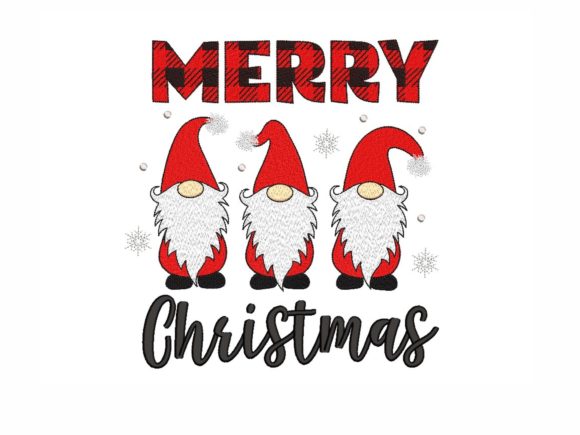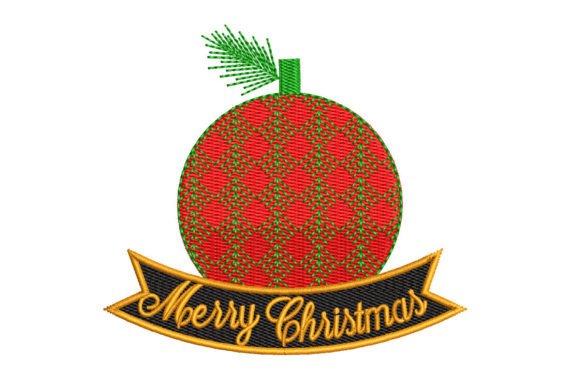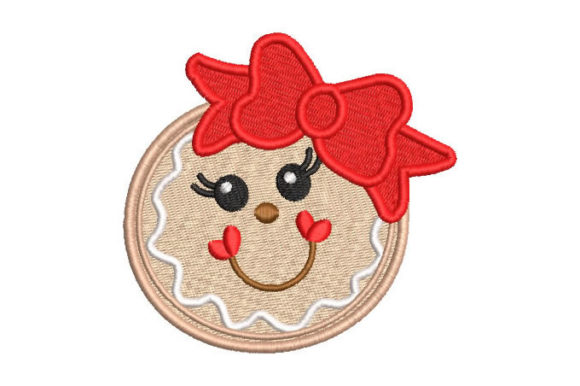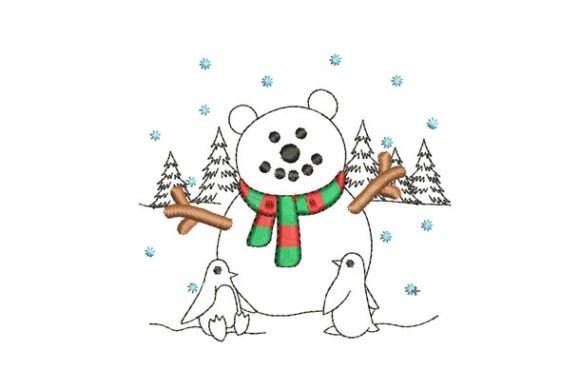
Merry Christmas Bear: A Merch Design Review
As an embroidery designer focused on commercial applications and small business merchandise, I approach every new asset with a critical eye toward production viability and brand alignment. When evaluating the Merry Christmas Bear machine embroidery design for professional use, my primary concern is not just its festive appeal, but how it translates from a digital file to a tangible product that supports business goals. This review analyzes the design through the lens of apparel decorators, Etsy sellers, and boutique owners who need reliable, high-quality results for their holiday collections.
Visual Personality and Brand Alignment
The first impression of Merry Christmas Bear suggests a design rooted in warmth, nostalgia, and approachability. For small businesses, this visual tone is strategically valuable. Unlike corporate logos that demand rigid precision, this design offers a friendly, handmade aesthetic that resonates deeply with customers during the holiday season. It strikes a balance between playful and polished, making it suitable for brands that want to appear accessible yet professional.
For a local bakery, florist, or pet brand, this bear motif serves as an excellent emotional anchor. It softens the transactional nature of retail by introducing a character that feels personal rather than manufactured. However, because the description highlights its suitability for "informal Christmas sewing projects," business owners must carefully curate their application. While perfect for cozy knitwear, canvas tote bags, and casual staff tees, it may clash with ultra-modern luxury branding or strict corporate uniform standards. The key is leveraging its rustic charm to enhance, not undermine, your specific brand identity.
Commercial Applications for Small Business Merch
In a real-world business scenario, versatility is paramount. Merry Christmas Bear performs exceptionally well across several high-value merchandise categories. As an embroidered patch, it can transform generic inventory into branded seasonal assets. Patches allow businesses to add festive flair to existing uniforms without committing to permanent alterations, which is ideal for pop-up shops or temporary holiday staff.
For apparel decorators and custom apparel businesses, this design works beautifully as a chest logo accent or sleeve detail on flannel shirts and sweatshirts. These items are staples for winter merch drops. Additionally, consider apron embroidery for hospitality businesses; placing the bear on the pocket or hem of a barista’s apron creates a cohesive team look that doubles as walking advertising. Tote bag design is another strong avenue, as the flat surface of canvas allows the stitch density to shine without distortion, turning a functional item into a keepsake.
Strategic Placement and Product Value
- Staff Uniforms: Use as a morale-boosting seasonal accent on polos or cardigans.
- Retail Packaging: Embroider onto reusable gift bags or fabric wraps to elevate the unboxing experience.
- Event Merch: Perfect for holiday markets, craft fairs, or customer appreciation gifts.
- Digital Assets: Utilize the design in printable mockups to gauge customer interest before bulk production.
Production Considerations and Technical Constraints
While the aesthetic is charming, technical execution determines profitability. As a professional reviewer, I must emphasize caution regarding size reduction. Intricate details in bear designs often suffer when scaled down for cap embroidery or tiny sleeve cuffs. Before running a full production batch, verify that the facial features and any text remain legible at your intended dimensions. High stitch density in small areas can cause puckering on lightweight fabrics or lead to needle breaks on caps.
Fabric texture plays a massive role in the final outcome. Merry Christmas Bear likely requires different stabilizer strategies depending on whether you are stitching on structured denim or stretchy jersey knits. On textured fabrics like terry cloth or fleece, the design may get lost unless you use a topping or adjust the underlay. Always test on the actual garment material, not just scrap cotton. Furthermore, thread colors should be reviewed for contrast against dark uniforms; a dark brown bear on a navy apron will lack definition unless outlined or backed with light fill stitches.
Washability is another critical factor for commercial embroidery. If this design is destined for work shirts or aprons that face industrial laundering, ensure the stitch type is durable. Satin stitches may fray over time compared to tatami fills. For items needing frequent washing, confirm the digitizing supports heavy wear.
Designer Notes for Professional Execution
To maximize the ROI of this digital embroidery file, follow these practical steps before listing products or fulfilling orders:
- Verify Licensing: Confirm commercial licensing terms explicitly. Just because a file is purchasable does not always mean it is cleared for mass-produced merchandise or resale.
- Check File Formats: Ensure the provided embroidery file formats match your machine’s requirements. Do not assume conversion software will preserve all stitch data perfectly.
- Run a Black and White Test: Stitching the design in a single color first reveals structural issues, spacing errors, or registration problems that colored threads might hide.
- Create Client Mockups: Use the design assets to generate realistic visuals for client approval. This manages expectations regarding size and placement before hooping expensive garments.
- Assess Hoop Size: Verify the design fits comfortably within your hoop with adequate margin for stabilization. Crowding the hoop leads to tension issues and poor registration.
- Evaluate Thread Contrast: Select thread colors that align with your brand palette while ensuring visibility. Avoid matching thread tones too closely to the base fabric.
Impact on Customer Trust and Engagement
Ultimately, the decision to use Merry Christmas Bear extends beyond decoration; it influences buyer engagement and perceived value. In the handmade product market, customers associate detailed, clean embroidery with quality and care. A poorly executed design damages trust, while a crisp, well-placed bear enhances the perception of craftsmanship.
Consistency is equally important. If you use this design across multiple touchpoints—from social media graphics featuring printable mockups to the finished product packaging—it reinforces brand recognition. Customers begin to associate the cheerful bear with your business’s holiday tradition, encouraging repeat purchases and social sharing. By treating this machine embroidery design as a strategic business asset rather than mere ornamentation, small businesses can create meaningful connections that drive sales long after the holidays end.
Remember to always inspect the specific stitch count and dimensions provided with your purchase. Every digitizer interprets "Merry Christmas Bear" differently, and what works for a decorative pillow may require modification for a structured cap. Diligence in the pre-production phase ensures that your festive merchandise meets the professional standards your customers expect and your business deserves.