Good Bye 2022 Welcome 2023: A Designer's Review
As we transition between years, the demand for transitional holiday merchandise spikes in my shop. I recently evaluated the Good Bye 2022 Welcome 2023 machine embroidery design to determine if it holds up to professional standards for both personal projects and commercial production. When sourcing a new digital embroidery file, I look beyond the preview image; I need to know how the design behaves under the needle, how it interacts with various fabric textures, and whether it offers enough versatility to justify adding it to my permanent asset library. This review breaks down my practical experience testing this design for real-world application.
First Impressions and Visual Hierarchy
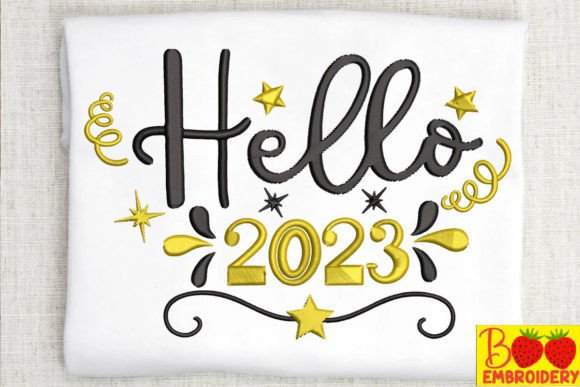
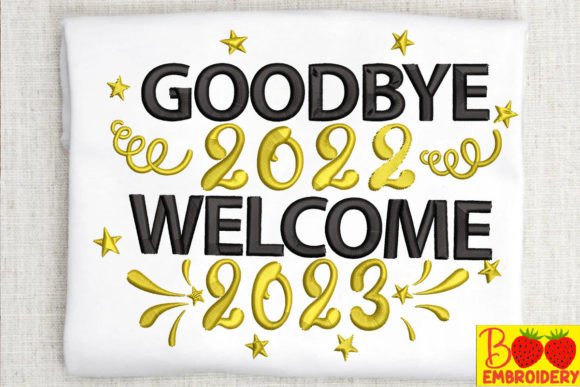
My initial assessment of Good Bye 2022 Welcome 2023 focused on its visual balance and thematic clarity. New Year designs often suffer from being too cluttered or overly generic, but this layout strikes a functional middle ground. The typography hierarchy is distinct, ensuring that the message is readable even from a distance—a critical factor for custom apparel and tote bag designs intended for retail or craft fairs. The mood strikes a celebratory yet clean aesthetic, making it appropriate for both festive Christmas gatherings and more subdued January reset themes.
From a digitizing perspective, the separation between the "Good Bye" and "Welcome" elements appears intentional, allowing for color changes that can adapt to different brand palettes. For an Etsy seller or small shop owner, this flexibility is vital. You do not want a design that forces you into a specific color scheme; you need one that allows for thread color customization to match client requests or seasonal inventory shifts. The design feels modern rather than dated, which increases its perceived value as a handmade product.
Real-World Application: The Sweatshirt Test
To truly evaluate performance, I stitched Good Bye 2022 Welcome 2023 onto a mid-weight cotton fleece sweatshirt. This is a high-stakes test because fleece has a pile that can swallow fine details, and sweatshirts are currently the most popular canvas for holiday embroidery. I used a tear-away stabilizer backed with a fusible mesh to prevent distortion during stitching.
The results were promising for commercial embroidery use. The satin stitch borders maintained crisp edges without sinking into the fabric texture, indicating proper underlay digitization. This is essential for customer trust; buyers associate clean edges with high-quality craftsmanship. However, I noted that the fill stitch areas required careful tension adjustment. On darker fabrics, I recommend using a lighter shade for the "2023" element to create contrast, as the design relies heavily on legibility. If you are creating personalized gifts or boutique merchandise, this design performs exceptionally well on crewnecks and hoodies, provided you verify your hoop size accommodates the full layout without excessive repositioning.
Versatility Across Substrates and Products
Beyond apparel, I assessed how this embroidery file translates to other common substrates listed in the product description. Versatility is key for maximizing ROI on design assets.
- Tote Bags and Canvas: The design scales beautifully to canvas. The stitch density is sufficient to cover the weave of natural cotton canvas without causing puckering. This makes it an excellent candidate for reusable shopping bags or market totes sold at winter markets.
- Kitchen Towels and Aprons: For tea towels, the design works best when centered above the hemline. I found that using a water-soluble topping was necessary to keep any running stitch details visible against the terry cloth or linen texture. Aprons also serve as a fantastic base, particularly for hosting gifts or party favors.
- Hats and Caps: Caution is advised here. Unless you have a specialized cap frame and the design includes a specific curved version, standard flat-hooped New Year designs can distort on the curved surface of a hat. Always check the dimensions against your cap hoop limits before committing to production.
Critical Considerations for Makers and Sellers
While Good Bye 2022 Welcome 2023 is a strong contender, there are specific scenarios where I would advise caution. Professional embroidery requires knowing when not to use a design as much as knowing when to use it.
Fabric Weight and Stability
Avoid using this design on lightweight, sheer, or highly stretchy performance fabrics without significant modification. The stitch count and density required for clear lettering may be too heavy for delicate materials, leading to tearing or a stiff, bulletproof patch effect. If you intend to embroider baby clothes or lightweight knits, test on scrap fabric first. You may need to reduce the density or opt for a smaller variation of the design to maintain the garment's drape and comfort.
Small Details and Washing Durability
For items destined for frequent washing, such as kitchen towels or children’s apparel, inspect the smallest text elements. Tiny serif fonts or thin running stitches can degrade over time. In my test run, the main text held up well, but I would recommend reinforcing any decorative accents with additional underlay if the finished product will face industrial laundering. Customer satisfaction depends on longevity, especially for personalized gifts meant to be kept for years.
Professional Workflow and Business Integration
For creative entrepreneurs and digital product sellers, integrating this design into your workflow requires due diligence. Before listing any finished product or offering the file itself, confirm the licensing terms. Ensure you have the right to sell physical embroidered items versus distributing the digital embroidery file. These are distinct rights, and violating them can harm your business reputation.
When creating printable mockups for your Etsy listings, pay attention to lighting and texture. A flat digital preview does not convey the tactile quality of embroidery. Photograph your test stitch-out on the actual blank you intend to sell. Show close-ups of the satin stitch corners and fill stitch transitions. This transparency builds buyer engagement and reduces return rates caused by unmet expectations.
Additionally, consider your thread color inventory. Does Good Bye 2022 Welcome 2023 require specialty metallics or variegated threads to achieve the preview look? While these add flair, they increase production time and cost. I successfully stitched this using standard rayon and polyester threads, proving it can be produced efficiently without exotic supplies. This efficiency is crucial for maintaining profit margins during the busy holiday rush.
Final Verdict for Embroidery Professionals
After thorough testing, Good Bye 2022 Welcome 2023 earns a recommendation for makers seeking a reliable, versatile holiday design. It balances aesthetic appeal with technical soundness, performing well on the most popular substrates like sweatshirts, totes, and towels. Its clean lines and adaptable layout make it suitable for both quick craft fair items and higher-end custom apparel.
However, success lies in preparation. Always run a test stitch-out on your specific fabric and stabilizer combination. Verify hoop sizes, adjust tensions for textured materials, and respect the limitations of stretchy or delicate fabrics. By approaching this machine embroidery design with a professional mindset, you can transform a digital file into a high-value finished product that resonates with customers and celebrates the season with quality and confidence. Whether you are updating your shop inventory or stitching a sentimental gift, this design provides a solid foundation for your New Year embroidery projects.