Debbie Cake Tree: An Embroidery Designer’s Review
As an embroidery designer who regularly sources assets for both personal creative projects and commercial client orders, I approach every new download with a critical eye. When browsing Creative Fabrica embroidery collections for seasonal inventory, the Debbie Cake Tree immediately caught my attention. It is not merely another generic holiday motif; it possesses a distinct visual personality that bridges the gap between nostalgic vintage aesthetics and modern handmade appeal. After evaluating this machine embroidery design for potential use in real-world production, here is my honest assessment of how it performs beyond the digital preview.
First Impressions and Visual Character
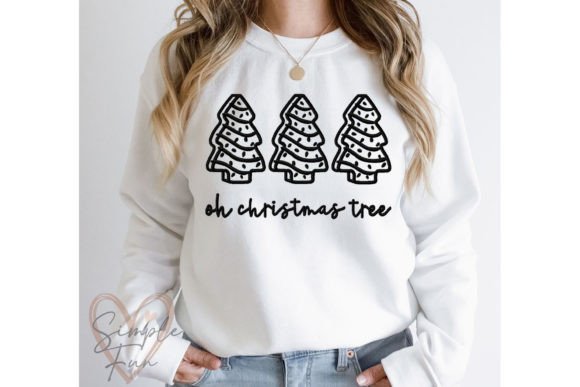
The initial appeal of the Debbie Cake Tree lies in its stylistic balance. Many Christmas embroidery files tend to fall into two extremes: overly simplistic line art or excessively dense, photorealistic renders that risk puckering on lighter fabrics. This design sits comfortably in the middle ground. It offers enough detail to be visually engaging on a sweatshirt or tote bag without appearing cluttered. The stitching personality suggests a mix of traditional charm and clean execution, making it versatile for various demographics. Whether you are creating nursery decor or boutique merchandise, the design avoids looking juvenile, which is a common pitfall with holiday-themed digital embroidery files.
For Etsy sellers and small business owners, this visual maturity is crucial. It allows the finished product to command a higher price point because the artwork itself feels curated rather than mass-produced. The design assets included in this pack appear optimized for visibility, ensuring that the tree’s silhouette remains recognizable even when scaled down for smaller applications like baby items or caps.
Performance on Apparel and Textiles
In my evaluation for custom apparel, specifically sweatshirt embroidery and knitwear, stitch density is the primary concern. Heavy designs can cause fabric distortion, while sparse designs can look cheap. The Debbie Cake Tree seems engineered with wearable textiles in mind. If utilizing fill stitch areas within the tree structure, they appear balanced enough to prevent bulletproofing on fleece or French terry. However, as with any machine embroidery design, I strongly advise testing on scrap fabric first. Stretchy fabrics require careful stabilizer selection, and verifying how this specific file interacts with your chosen backing is essential before committing to a customer order.
For tote bag designs and kitchen towels, the structural integrity of the embroidery file matters immensely. These items endure significant wear and frequent washing. The design’s construction suggests it will hold up well to laundering, provided the correct thread tension and stabilizer weight are used during production. If the design incorporates satin stitch elements for outlines or decorative accents, ensure your machine’s tension is calibrated perfectly to avoid snagging on textured terry cloth or canvas. A well-executed stitch-out on these durable goods significantly enhances buyer trust and perceived value.
Navigating Small Hoop Sizes and Detail
One of the most practical challenges for apparel decorators is scaling designs for limited spaces, such as shirt pockets, hat fronts, or baby blankets. While the Debbie Cake Tree is marketed as suitable for hats and small items, digitization quality at reduced sizes varies greatly between designers. Before purchasing for micro-embroidery projects, check the product details on Creative Fabrica to confirm if specific small-hoop versions are included or if the main file scales down cleanly.
Tiny lettering or intricate internal details often suffer when resized arbitrarily. If you plan to use this for embroidered patch creation or cap embroidery, verify that the running stitch paths remain continuous and that jump stitches are minimized. On curved cap surfaces, dense center points can cause registration issues. I recommend comparing light and dark fabric mockups or performing a physical test stitch to ensure the design’s character survives the reduction process without losing definition.
Commercial Viability for Handmade Businesses
For creative entrepreneurs, a digital embroidery file is an investment. The Debbie Cake Tree offers strong commercial potential because of its adaptability. It translates exceptionally well across different product categories, allowing for brand consistency across a seasonal collection. Imagine offering a matching set: a personalized gift featuring the tree on a bib, a coordinating pillow cover for the nursery, and a festive apron for the parent. This cohesion elevates a shop’s presentation and encourages bundled sales.
Furthermore, the aesthetic quality of this design supports effective product photography. High-contrast, clean embroidery photographs better than muddy or overly complex designs. When creating printable mockup listings or social media content, the Debbie Cake Tree provides a clear focal point that communicates "handmade quality" instantly. For craft fair products, this visual clarity helps items stand out in crowded vendor booths where customers make split-second decisions based on visual appeal.
Practical Embroidery Notes and Best Practices
To maximize the success of this design in your studio, consider the following technical recommendations derived from professional experience:
- Verify Licensing: Always review the specific license terms on the Creative Fabrica product page. Confirm whether you have rights for commercial embroidery products or if there are limitations on selling finished goods versus digital files.
- Stabilizer Strategy: Do not rely on a one-size-fits-all approach. Use cut-away stabilizer for stretchy sweatshirts and baby items to maintain shape over time. Tear-away may suffice for stable woven fabrics like towels, but test first to ensure no residue remains.
- Thread Color Contrast: The mood of the Debbie Cake Tree can shift dramatically based on palette. Traditional greens and reds evoke nostalgia, while metallics or monochromatic whites create a modern, Scandinavian feel. Test thread colors against your base fabric to ensure adequate contrast, especially for darker materials.
- Inspect Small Details: After stitching, closely examine any fine lines or text. If details are lost or stitches are overlapping poorly, adjust your pull compensation settings or consider using a specialized needle for finer work.
- File Format Compatibility: Ensure the embroidery file format matches your machine’s requirements. While most platforms offer multiple formats, always confirm compatibility before starting a production run to avoid conversion errors that alter stitch paths.
Evaluating Value for Your Studio
Ultimately, deciding whether to add the Debbie Cake Tree to your library depends on your current inventory needs and production capabilities. It stands out as a robust option for those seeking a versatile Christmas motif that transcends typical holiday clichés. Its suitability for sweaters, bags, towels, and hats makes it a high-utility asset for busy seasons.
However, professional results depend on professional preparation. Treat this design as a foundation rather than a guaranteed outcome. By conducting proper tests on scrap fabric, respecting stabilizer requirements, and understanding the nuances of your specific equipment, you can transform this digital embroidery file into a premium handmade product. For Etsy sellers and apparel decorators looking to refresh their seasonal offerings with something that feels both classic and commercially viable, the Debbie Cake Tree warrants serious consideration. Just remember to validate all technical specifications and licensing details directly from the source to ensure your business remains compliant and your products remain exceptional.