Christmas Dad: A Craft Fair Embroidery Review
As an experienced embroidery designer preparing for the upcoming holiday market season, I approach every new machine embroidery design with a critical eye. It is not enough for a file to simply digitize well; it must translate into a profitable craft fair product that catches the attention of shoppers browsing crowded tables. When evaluating "Christmas Dad," my primary focus is on its commercial viability for handmade sellers, Etsy shop owners, and boutique makers who need reliable, high-turnover items for their winter collections.
First Impressions and Market Appeal
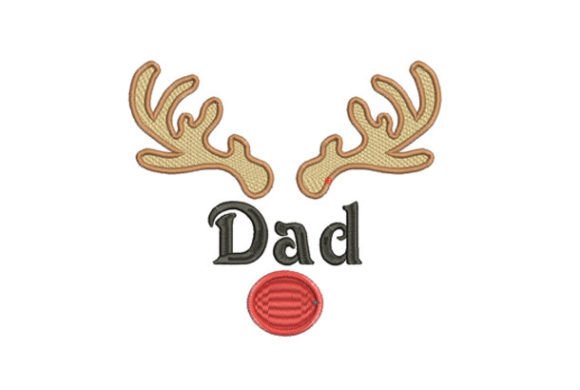
Upon reviewing the concept and description of Christmas Dad, the immediate impression is one of approachable, nostalgic warmth. The descriptor "cute" suggests a design aesthetic that leans towards playful or sentimental rather than overly formal or traditional. For a craft fair booth, this is a significant advantage. Shoppers at holiday markets are often looking for gifts that evoke emotion or humor, and a design centered around "Dad" taps directly into a high-demand gift-giving niche. This design feels like it belongs in a modern farmhouse or cozy rustic display, making it versatile for various brand identities.
From a production standpoint, the versatility mentioned in the product details is accurate but requires strategic application. While the description notes it looks great on sweaters, pajamas, backpacks, scarves, and gloves, a professional embroiderer knows that fabric texture dictates success. For a weekend market, I would prioritize stable, flat substrates over stretchy knits for batch production. Sweaters and gloves present stabilization challenges that can slow down output and increase waste. Instead, Christmas Dad shines brightest as a focal point on structured items where the stitch density can be properly supported without distortion.
Best Selling Applications for Holiday Markets
To maximize return on investment for this digital embroidery file, sellers should focus on products that offer high perceived value and efficient production times. Based on real-world booth experience, here is how Christmas Dad performs across different categories:
- Tote Bag Design: This is arguably the strongest application for a craft fair. Canvas totes provide a stable foundation for machine embroidery, allowing the design to remain crisp. A "Christmas Dad" tote serves as both a gift and a functional item for carrying holiday purchases, increasing its impulse-buy potential.
- Apron Embroidery: Holiday cooking and baking are central to the season. An apron featuring this design appeals to the family chef demographic. The large, flat surface area of an apron allows for scaling the design up or down depending on the hoop size available, making it adaptable for different machinery setups.
- Tea Towel Embroidery: Tea towels are the quintessential low-cost, high-margin handmade product. They are easy to hoop, quick to stitch, and sell in multiples. If Christmas Dad has a compact footprint, it is ideal for tea towels. However, if the design includes intricate shading or heavy fill stitches, ensure the towel weight is sufficient to prevent puckering.
- Embroidered Patch: Creating patches is an excellent way to utilize this design for customers who want customization without committing to a full garment. Patches can be produced in bulk during downtime and sold as add-ons at the booth or used to upgrade plain caps and beanies on-site.
Production Practicality and Technical Considerations
While the emotional appeal of Christmas Dad is clear, technical execution determines profitability. As a designer, I always advise testing a new embroidery file on scrap fabric before listing any finished product. The description mentions multiple applications, but users must verify specific technical parameters. Always check the exact stitch count, recommended hoop size, and color changes before purchasing or stitching. Assuming these details based on the title alone can lead to costly errors.
Stitch Density and Fabric Texture
If Christmas Dad contains dense satin stitches or complex fills, it may struggle on textured fabrics like terry cloth tea towels or ribbed scarves. In these cases, using a water-soluble topping is non-negotiable to maintain design clarity. Conversely, if the design is too light, it may disappear on heavy canvas tote bags. Balancing thread colors against the base fabric is crucial; a white thread design on a cream towel lacks contrast and visual impact at a distance.
Scaling and Legibility
The "cute" factor often relies on small details. Be cautious when resizing this design for smaller items like gloves or baby pajamas. Reducing a design below 70% of its original size can cause text to become illegible and internal details to merge. If you intend to use Christmas Dad as a small accent rather than a large focal design, request or create a specifically digitized small version rather than shrinking the master file.
Visual Merchandising and Online Presentation
For Etsy sellers and digital entrepreneurs, the presentation of this design is just as important as the stitch-out. Because "Dad" gifts can sometimes feel generic, your photography must elevate the small shop product to premium status. Avoid flat-lay photos on white backgrounds. Instead, style the embroidered item in a lifestyle setting—perhaps draped over a wooden chair or next to holiday decor—to reinforce the festive mood.
Utilizing a high-quality printable mockup is essential for listing variations without stitching every single colorway. However, always include at least one photo of a real stitched sample to build trust. Customers need to see how the design assets translate to actual thread. Highlight the texture and sheen of the embroidery, as this differentiates your work from printed alternatives. For craft fair displays, group items by theme. Place the Christmas Dad aprons near baking mixes or utensils, and position the tote bags near gift wrap stations to encourage bundled sales.
Designer Notes for Commercial Success
Before adding Christmas Dad to your commercial embroidery lineup, adhere to this professional checklist to ensure quality and compliance:
- Verify Licensing: Confirm that the purchase includes rights to sell finished physical products. Some files are for personal use only, which would prohibit selling at a craft fair or on Etsy.
- Test Stabilizer Pairings: Run a test stitch on your intended selling substrate. If the fabric distorts, switch to a heavier cut-away stabilizer or add a fusible mesh backing. Proper stabilization is the difference between a bargain-bin item and a boutique-quality piece.
- Audit Thread Contrast: View the design under the same lighting conditions as your craft fair booth or photography setup. Colors that look vibrant on a screen may appear dull under warm market lights. Adjust thread colors to ensure the design pops in person.
- Batch Production Strategy: Group similar items to minimize re-hooping and thread changes. Stitch all tea towels first, then move to tote bags. This efficiency protects your profit margins during the busy holiday rush.
- Create Real Mockups: Even if you use digital mockups for listings, stitch one physical sample for quality control. Inspect registration, jump stitches, and overall density. This sample also serves as your primary marketing asset for social media.
Christmas Dad holds strong potential for the upcoming season, provided it is treated with professional diligence. By matching the design’s inherent charm with appropriate substrates and rigorous production standards, embroidery businesses can turn this cute concept into a best-selling holiday staple. Whether you are stocking an Etsy shop or setting up a weekend booth, let practical judgment guide your creative decisions to ensure every stitch contributes to a successful sale.