Noel Embroidery Design Review for Boutique Sweatshirts
As an embroidery designer preparing a limited holiday capsule collection for a small boutique brand, selecting the right artwork is about far more than just festive aesthetics. It is about technical viability, marketability, and how a design translates from a digital screen to a tangible, premium garment. When evaluating Noel for our upcoming seasonal drop, I approached this machine embroidery design with a critical eye toward production quality and commercial appeal. The description promises a unique accent that adds a nice look to fabrics, but in the competitive world of custom apparel, we need to verify if it truly delivers the sophistication required for high-end sweatshirts and hoodies.
First Impressions and Aesthetic Versatility
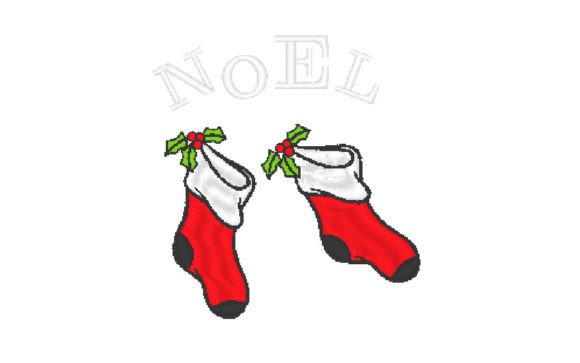
Upon loading the embroidery file, the immediate impression of Noel is one of balanced elegance. For a boutique brand, avoiding overly cartoonish or chaotic holiday motifs is essential to maintain a premium price point. This design strikes a necessary chord between festive warmth and refined minimalism. It feels decorative without being cluttered, which is crucial when targeting customers looking for wearable art rather than novelty items. The layout suggests a versatility that allows it to function as both a primary focal point and a subtle accent.
Visually, Noel appears adaptable across various colorways essential for a cohesive shop collection. On neutral sweatshirts like oatmeal, cream, or heather grey, the design provides a soft, textural contrast that enhances the cozy factor of the garment. Conversely, on dark fabrics such as navy, forest green, or charcoal, the stitching pops with vibrant clarity, creating a bold statement piece. For pastel palettes, which are trending heavily in modern holiday fashion, the design maintains a feminine and playful energy without losing its structural integrity. This adaptability makes it a strong candidate for maximizing SKU variety from a single digital embroidery file.
Strategic Placement on Cozy Seasonal Apparel
For Etsy sellers and small shop owners, placement dictates perceived value. Noel’s composition lends itself beautifully to multiple areas on oversized hoodies and crewnecks. As a left-chest placement, it offers a minimalist, high-end aesthetic that appeals to buyers seeking understated luxury. This positioning is also ideal for lifestyle product photography, as it remains visible even when models are holding coffee cups or adjusting bags, ensuring the embroidery is captured in social media content.
Beyond the chest, I see significant potential for sleeve accents. Cuff or forearm placements are currently dominating the handmade product market, offering a unique detail that distinguishes custom pieces from mass-produced retail. Noel’s scale seems appropriate for these narrower zones, provided the hoop size is verified against your machine’s capabilities. Additionally, using this design as part of a larger back print arrangement could create a stunning centerpiece for statement sweatshirts. However, always test the visual weight; what looks substantial on screen can sometimes appear sparse on a large expanse of fleece. Creating a printable mockup before stitching is a vital step to visualize proportion and ensure the design commands enough attention on the finished garment.
Technical Evaluation for Commercial Production
A pretty design fails if it ruins the fabric or breaks during production. When reviewing Noel for sweatshirt embroidery, my primary concern is stitch density relative to fabric texture. Fleece and French terry have a pile that can swallow fine details. If the stitch density is too low, the design will sink into the fabric; if it is too high, it can cause puckering or bulletproofing. While the product notes indicate this comes with multiple embroidery formats, designers must personally verify the density settings for heavy knits. You may need to add a slight underlay or adjust pull compensation to account for the stretch and loft of premium sweatshirt materials.
Stabilizer choice is non-negotiable for professional results. For Noel, I recommend testing with a medium-weight cutaway stabilizer rather than tear-away. Cutaway provides permanent support that prevents distortion after washing, which is a key selling point for commercial embroidery. Adhesive spray should be used generously to secure the knit fabric to the stabilizer within the hoop, preventing shifting that leads to misregistration. Always run a sew-out on the exact fabric you intend to sell. A test on quilting cotton does not predict performance on 380gsm heavyweight fleece. Checking thread color contrast during this testing phase is equally important; ensure the selected palette offers sufficient definition against the base fabric so the design reads clearly in photos and in person.
Enhancing Brand Value and Customer Trust
In the handmade marketplace, consistency builds trust. Using a well-executed design like Noel signals to customers that your brand cares about quality. Poorly digitized designs that pucker or unravel after one wash destroy buyer confidence. By validating the technical aspects of this hoodie design before listing, you protect your reputation. Furthermore, the "unique Christmas embroidery" aspect mentioned in the description aligns perfectly with the desire for exclusive, small-batch goods. Customers are willing to pay a premium for apparel that feels curated and intentional rather than generic.
The presentation of the finished product relies heavily on how well the embroidery integrates with the garment's drape. Noel should enhance the sweatshirt's silhouette, not stiffen it unnaturally. When photographing for listings, highlight the texture of the stitches. Close-up shots showing clean satin columns and precise registration demonstrate craftsmanship. These design assets serve as proof of quality, bridging the gap between digital browsing and physical ownership. For creative entrepreneurs, articulating why you chose this specific design—perhaps noting its vintage inspiration or superior stitch flow—adds narrative value that resonates with shoppers seeking meaningful purchases.
Production Checklist Before Launch
Before adding Noel to your production queue, complete this essential verification process to ensure commercial readiness:
- Verify Specifications: Confirm the exact stitch count, physical dimensions, and included file formats match your machine requirements and design vision.
- Test Sew-Out: Stitch the design on your actual production fabric using your intended stabilizer and thread colors.
- Wash Test: Launder the sample to check for shrinkage, puckering, or thread bleeding before selling.
- Mockup Validation: Create realistic digital or physical mockups to assess scale and placement accuracy.
- Licensing Check: Ensure your purchase includes rights for commercial use on finished apparel if selling for profit.
Ultimately, Noel presents itself as a promising asset for holiday collections. Its blend of festive charm and technical adaptability makes it suitable for everything from casual Etsy drops to curated boutique lines. By treating this machine embroidery design with professional scrutiny rather than assuming plug-and-play perfection, you elevate your entire product line. The difference between a hobbyist output and a professional small shop product lies in these deliberate evaluations. When executed correctly, Noel has the potential to become a signature piece that drives engagement, sales, and long-term brand loyalty throughout the holiday season and beyond.